✍️
Gabriel García Márquez
13 questions · Literature
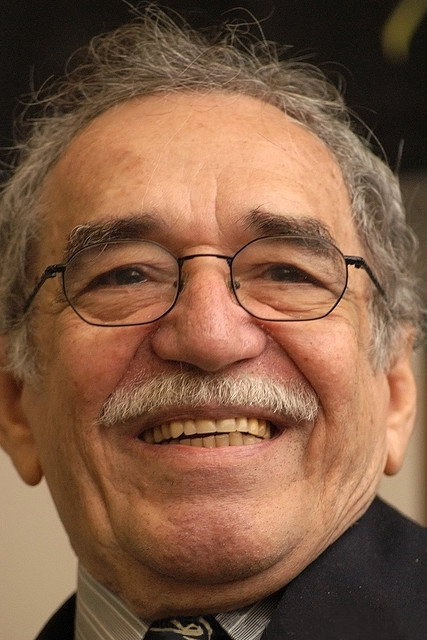
Gabriel García Márquez, born in 1927 in the Colombian Caribbean town of Aracataca, grew up with his grandparents: the grandfather, an old colonel, told of the civil war; the grandmother spoke of ghosts and miracles in the same matter-of-fact tone as of the weather. Precisely that tone became world literature. After years as a journalist in Cartagena, Bogotá and Europe, 'Gabo' had the inspiration of his life in 1965 on a drive to Acapulco: he turned the car around, shut himself away for 18 months and wrote 'One Hundred Years of Solitude' (1967).
The chronicle of seven generations of the Buendía family in the invented village of Macondo (founded by José Arcadio Buendía, attended by yellow butterflies, visited by banana fever, civil wars and a rain that lasts four years) became the book of the century: over 50 million copies, for many the greatest novel in Spanish since 'Don Quixote'. His style acquired a name: magical realism: the marvellous, told as the most natural thing in the world. There followed 'The Autumn of the Patriarch', 'Chronicle of a Death Foretold' and 'Love in the Time of Cholera': the love of Florentino Ariza and Fermina Daza that waits for decades, inspired by his parents' courtship. In 1982 Gabo received the Nobel Prize in Literature; he appeared at the ceremony not in tails but in the white Caribbean liqui-liqui.
He always remained a journalist and a friend of Fidel Castro, which earned him harsh criticism; the USA denied him a visa for years. He died in Mexico City in 2014; Colombia mourned for three days.
Did you know that Gabo and his wife Mercedes could only afford to post half the manuscript of 'One Hundred Years of Solitude'? The postage money ran out: they sent the second half first by mistake, then pawned the heater and the mixer for the rest.
Practise for free
PurFact brings every card back right before you would forget it. That's how knowledge sticks.