🎼
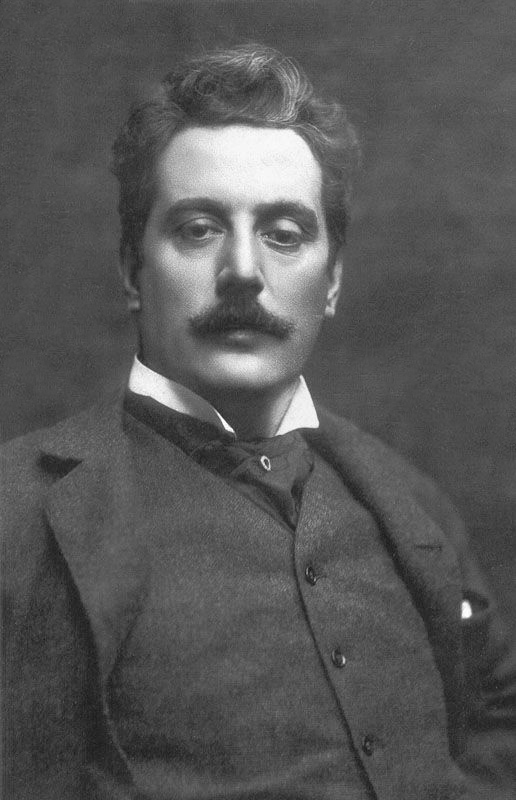
Giacomo Puccini
13 questions · Music
Giacomo Puccini, born in 1858 in the Tuscan city of Lucca, came from a dynasty of church musicians, for four generations the Puccinis had supplied the cathedral's organists. But young Giacomo wanted something else: after walking to nearby Pisa to see Verdi's 'Aida', his mind was made up: opera. Trained at the Milan Conservatory, the poor student shared a room with fellow musicians; the memory of those bohemian years would later become world literature in music.
'Manon Lescaut' (1893) brought the breakthrough, followed by the trio that made him the most performed opera composer after Verdi: 'La Bohème' (1896), about love and poverty among Parisian artists; 'Tosca' (1900), with the aria 'E lucevan le stelle'; and 'Madama Butterfly' (1904), about the betrayed Japanese bride: whose Milan premiere flopped mercilessly before the revised version triumphed. Puccini was a master of verismo, truth-to-life opera: his heroines are not goddesses but seamstresses, singers, geishas: people whose fates get under your skin, carried by melodies of irresistible warmth.
Success made Puccini rich; he indulged in hunting grounds, motorboats and fast cars: in 1903 he became one of the first celebrities to survive a serious car crash. At the end he worked on his most ambitious piece: 'Turandot', the opera about the ice-cold Chinese princess, with the aria 'Nessun dorma'.
Did you know that Puccini never managed to finish 'Turandot'? He died in Brussels in 1924 from complications of treatment for throat cancer. At the 1926 premiere, the conductor Arturo Toscanini laid down his baton at the point where Puccini's manuscript ends: 'Here the opera ends, because at this point the maestro died.'
Practise for free
PurFact brings every card back right before you would forget it. That's how knowledge sticks.