PurFact

Günter Grass

9 questions · Literature

Günter Grass (1927 to 2015) was perhaps the most important voice of post-war German literature. With „The Tin Drum“ (1959) and the drumming Oskar Matzerath he wrote world literature; in 1999 he received the Nobel Prize in Literature. Grass was also a graphic artist and sculptor and a loud political voice. In 2006 he revealed that as a youth he had been a member of the Waffen-SS; a late confession that was fiercely debated. Good to know: The academy praised how he „portrayed the forgotten face of history in blackly comic fables“. Grass is one of the few German-language authors to hold this honour. The opening of the „Danzig Trilogy“: narrated from a mental asylum. The 1979 film won both an Oscar and the Palme d’Or. In protest against the adult world he stops growing at the age of three. His voice can shatter glass with a scream. He designed many of his books with his own drawings. His covers and etchings remain sought-after collector’s items. The city of his childhood is the setting of his „Danzig Trilogy“.

Practise for free

PurFact brings every card back right before you would forget it. That's how knowledge sticks.

All questions with answers

Which major prize did Günter Grass receive in 1999?

Show answer

the Nobel Prize in Literature

The academy praised how he „portrayed the forgotten face of history in blackly comic fables“.

💡 Did you know? Grass is one of the few German-language authors to hold this honour.
What is the title of Grass’s world-famous 1959 novel?

Show answer

The Tin Drum

The opening of the „Danzig Trilogy“: narrated from a mental asylum.

💡 Did you know? The 1979 film won both an Oscar and the Palme d’Or.

What is the name of the drumming boy who stops growing in the novel?

Show answer

Oskar Matzerath

In protest against the adult world he stops growing at the age of three.

💡 Did you know? His voice can shatter glass with a scream.

In which art form was Grass trained besides writing?

Show answer

visual art

He designed many of his books with his own drawings.

💡 Did you know? His covers and etchings remain sought-after collector’s items.

In which city was Günter Grass born?

Show answer

Danzig

The city of his childhood is the setting of his „Danzig Trilogy“.

💡 Did you know? After the war Danzig became Polish: Grass’s homeland was changed forever.

What is Grass’s group of works comprising „The Tin Drum“, „Cat and Mouse“ and „Dog Years“?

Show answer

the Danzig Trilogy

All three books are set in Danzig before, during and after the Nazi era.

💡 Did you know? „Cat and Mouse“ is the slim novella at the centre of the trilogy.

Which late revelation about his youth caused a stir in 2006?

Show answer

Membership of the Waffen-SS

He revealed it in the autobiography „Peeling the Onion“: decades after admonishing others.

💡 Did you know? The late confession triggered a fierce public debate.

For which SPD politician did Grass campaign particularly?

Show answer

Willy Brandt

Grass toured the country for the SPD for years and spoke out loudly.

💡 Did you know? The political writer was as well known as the novelist.

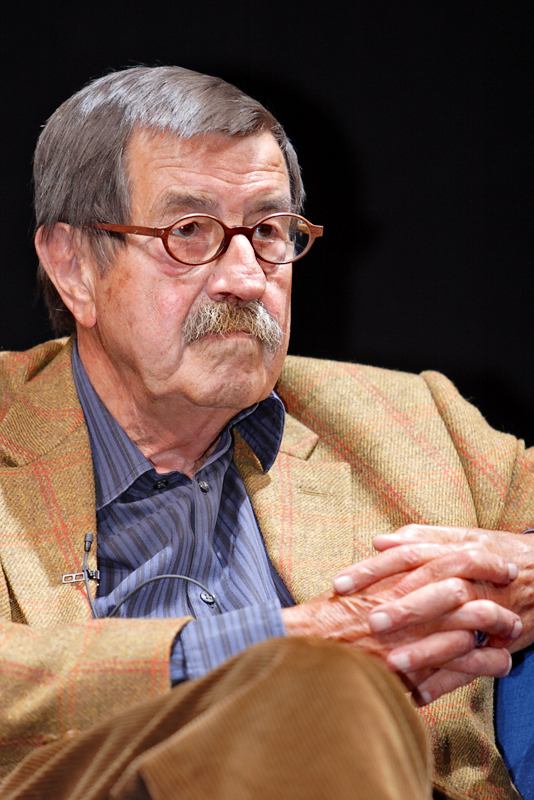
Günter Grass

Foto: Blaues Sofa from Berlin, Deutschland · CC BY 2.0 · Wikimedia Commons

Which writer is shown here?

Show answer

Günter Grass

How PurFact works

Practise for free

More on this topic

Literature: all topics →