

Illustration: Laboratoires Servier · CC BY-SA 3.0 · Wikimedia Commons
Show answer
Heart
The heart is a muscle that pumps blood through the body.
💡 Did you know? It beats about 100,000 times a day.
12 questions · Health & Medicine
A hidden clockwork keeps us alive (each organ with its own vital task): recognise the heart, lung, liver, kidney, stomach, brain, intestine, spleen, pancreas, bladder, thyroid and eye by their shape. Good to know: The heart is a muscle that pumps blood through the body. It beats about 100,000 times a day. The lung takes in oxygen and releases carbon dioxide when breathing. It consists of two lobed wings. The liver detoxifies the blood and is the largest internal gland. It can partly regenerate itself. The kidneys filter the blood and produce urine. Humans usually have two of them. The stomach is a muscular sac that breaks down food with acid. A mucus layer protects it from itself. The brain controls thought, movement and all bodily functions. It contains billions of nerve cells. The intestine absorbs nutrients and is several metres long. Countless helpful bacteria live in it. The spleen filters the blood and breaks down old red blood cells. It sits on the left below the diaphragm. The pancreas produces digestive juices and the hormone insulin.
Practise for freePurFact brings every card back right before you would forget it. That's how knowledge sticks.
Which organ is this?
Illustration: Laboratoires Servier · CC BY-SA 3.0 · Wikimedia Commons
Heart
The heart is a muscle that pumps blood through the body.
💡 Did you know? It beats about 100,000 times a day.

Illustration: Laboratoires Servier · CC BY-SA 3.0 · Wikimedia Commons
Lung
The lung takes in oxygen and releases carbon dioxide when breathing.
💡 Did you know? It consists of two lobed wings.
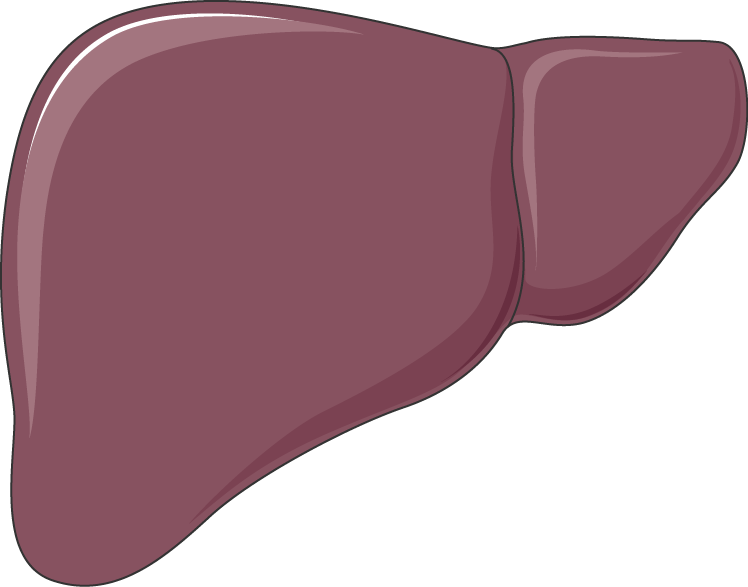
Illustration: Laboratoires Servier · CC BY-SA 3.0 · Wikimedia Commons
Liver
The liver detoxifies the blood and is the largest internal gland.
💡 Did you know? It can partly regenerate itself.

Illustration: Laboratoires Servier · CC BY-SA 3.0 · Wikimedia Commons
Kidney
The kidneys filter the blood and produce urine.
💡 Did you know? Humans usually have two of them.

Illustration: Laboratoires Servier · CC BY-SA 3.0 · Wikimedia Commons
Stomach
The stomach is a muscular sac that breaks down food with acid.
💡 Did you know? A mucus layer protects it from itself.

Illustration: Laboratoires Servier · CC BY-SA 3.0 · Wikimedia Commons
Brain
The brain controls thought, movement and all bodily functions.
💡 Did you know? It contains billions of nerve cells.

Illustration: Laboratoires Servier · CC BY-SA 3.0 · Wikimedia Commons
Intestine
The intestine absorbs nutrients and is several metres long.
💡 Did you know? Countless helpful bacteria live in it.

Illustration: Laboratoires Servier · CC BY-SA 3.0 · Wikimedia Commons
Spleen
The spleen filters the blood and breaks down old red blood cells.
💡 Did you know? It sits on the left below the diaphragm.

Illustration: Laboratoires Servier · CC BY-SA 3.0 · Wikimedia Commons
Pancreas
The pancreas produces digestive juices and the hormone insulin.
💡 Did you know? Insulin regulates blood sugar.

Illustration: Laboratoires Servier · CC BY-SA 3.0 · Wikimedia Commons
Bladder
The bladder stores urine until it is passed.
💡 Did you know? It is a stretchy muscular pouch.

Illustration: Laboratoires Servier · CC BY-SA 3.0 · Wikimedia Commons
Thyroid
The thyroid sits in the neck and controls metabolism with hormones.
💡 Did you know? Its shape resembles a butterfly.

Illustration: Laboratoires Servier · CC BY-SA 3.0 · Wikimedia Commons
Eye
The eye takes in light and enables sight.
💡 Did you know? The lens focuses light onto the retina.
Health & Medicine: all topics →
Home · All topics · Legal notice · Privacy · Terms · Contact