🧠
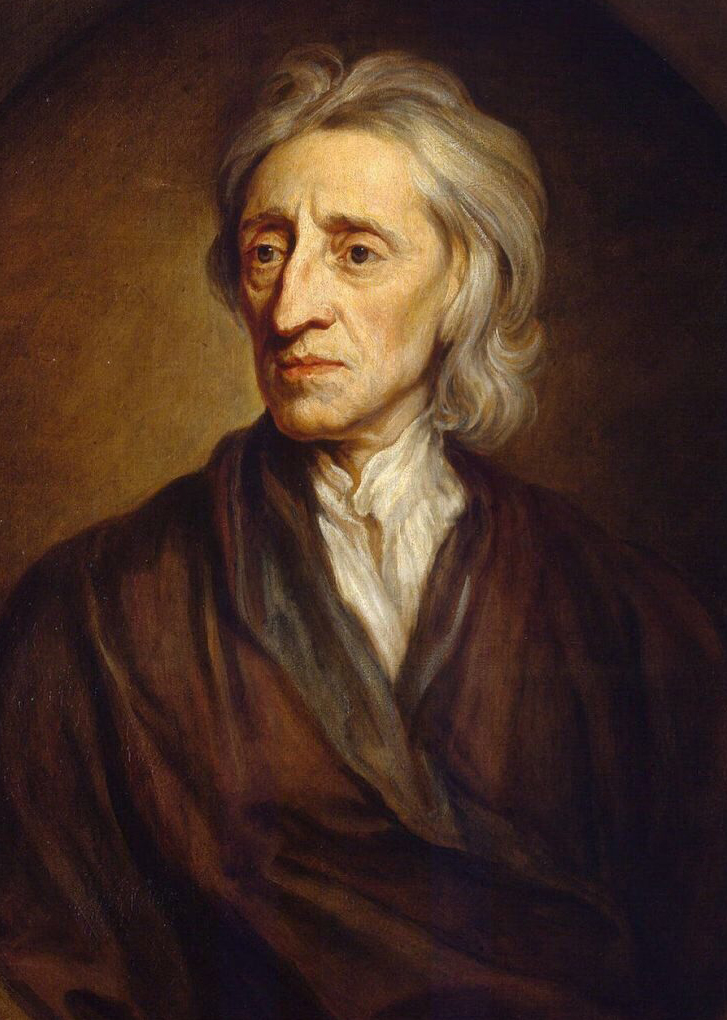
John Locke
13 questions · Philosophy
John Locke, born in 1632 in Wrington near Bristol, studied medicine and natural science at Oxford and became personal physician and adviser to the Earl of Shaftesbury, a leading opposition politician. A risky position: when Shaftesbury fell, Locke too had to flee to Holland in 1683. Only after the 'Glorious Revolution' of 1688, which gave England a constitutional monarchy, did he return: carrying the manuscripts that would make him the founding thinker of liberal democracy.
His 'Two Treatises of Government' (1689) refounded political rule: all human beings have natural rights to life, liberty and property. Government arises by contract precisely to protect those rights and if it violates them, citizens have a right of resistance. Locke also demanded the separation of powers. A century later, America's founding fathers wrote his ideas almost verbatim into the Declaration of Independence; Locke counts as the 'father of liberalism'.
Equally influential is his theory of knowledge: in the 'Essay Concerning Human Understanding' (1689) he denied innate ideas: at birth the mind is a 'blank slate' (tabula rasa) that only experience fills, through sensation and reflection. With this, Locke founded British empiricism, carried on by Berkeley and Hume. His 'Letter Concerning Toleration' also resonates to this day: state and church must be separated, for belief cannot be forced.
Did you know that Locke also helped found modern pedagogy? His 'Some Thoughts Concerning Education' (against beatings, for playful learning) was an Enlightenment bestseller. He died in 1704 at Oates, while his friend Lady Masham was reading him the Psalms.
Practise for free
PurFact brings every card back right before you would forget it. That's how knowledge sticks.