👩🔬
Mileva Marić
11 questions · Society & Everyday
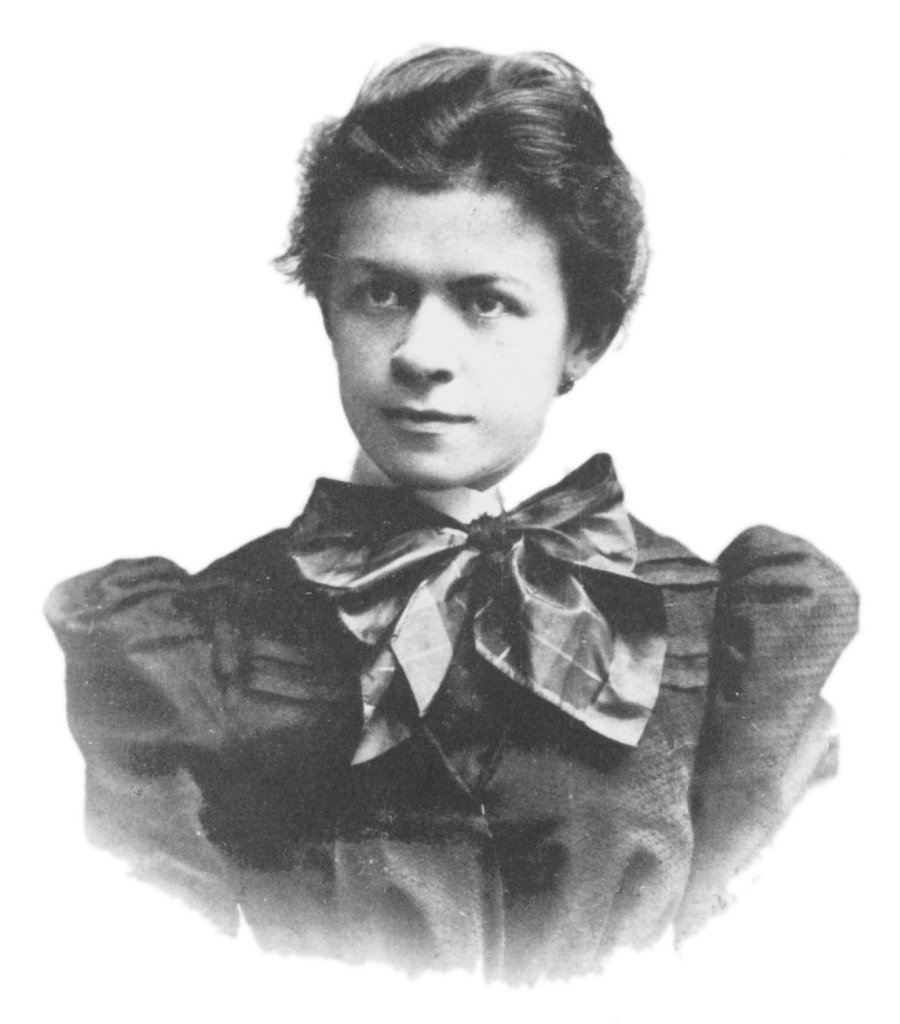
Mileva Marić is born in 1875 in Titel, a small town in the Vojvodina, then part of Austria-Hungary. The girl outperforms every boy in her class at mathematics and her father makes sure she is allowed to attend physics lessons at the grammar school in Zagreb, one of the very first girls ever permitted to do so. In 1896 she enrols at the Polytechnic in Zurich, one of the few universities in Europe open to women: in the mathematics and physics section she is the only woman in her year.
Sitting next to her is a bright student from Ulm: Albert Einstein. Study evenings turn into love letters full of physics: at one point Einstein writes of "our work on relative motion". How large Mileva's share in his early work really was is still debated by historians today; what is beyond doubt is that she was his closest confidante and scientific sounding board during the very years in which modern physics was born.
Her own career, however, breaks off: she fails the final examination twice, the second time while pregnant by Einstein. Their daughter Lieserl, born out of wedlock at Mileva's parents' home in Serbia in 1902, soon vanishes from every letter and document: her fate remains unknown to this day. In 1903 Mileva and Albert marry, and their sons Hans Albert and Eduard are born. But the marriage falls apart; in 1919 it ends in divorce.
The divorce settlement contains a remarkable clause: should Einstein win the Nobel Prize, the prize money would go to Mileva. In 1922 it happens: she uses the money to buy houses in Zurich and later to pay for the care of her son Eduard, who suffered from schizophrenia. She dies in Zurich in 1948, forgotten by the public. Only when the love letters from her student years surfaced in the 1980s did the woman at Einstein's side step back into the light.
Practise for free
PurFact brings every card back right before you would forget it. That's how knowledge sticks.