📦
Nuts: Advanced
12 questions · Nature
If you can already tell a walnut from a hazelnut, here is the next level: twelve nuts and nut-like fruits that rarely end up on the plate, but are all the more interesting botanically, culturally or in the kitchen.
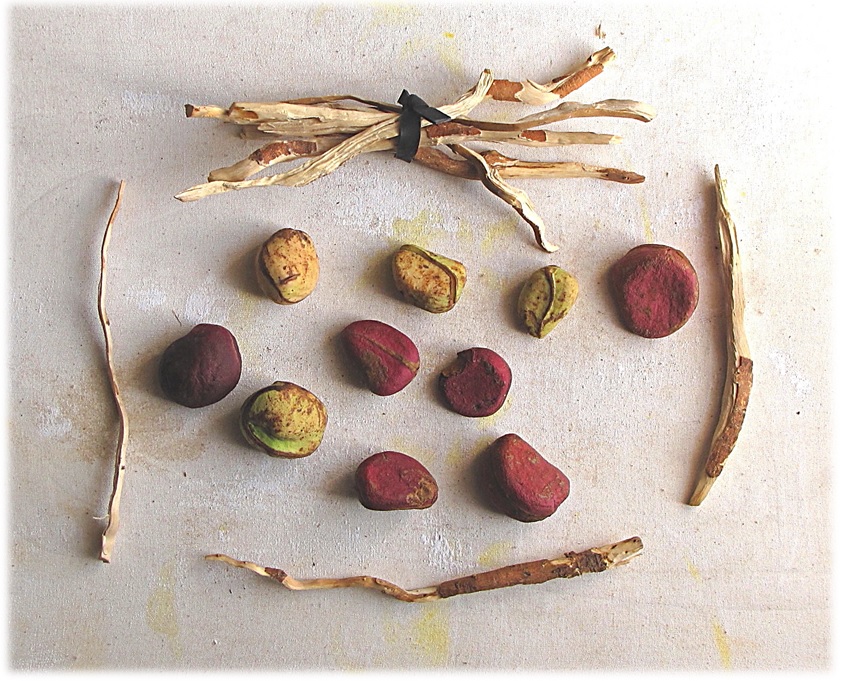
Among them are the three-sided beechnuts and the acorn, both fruits of native forest trees, plus the horse chestnut, which despite its looks is not edible. You will get to know the tiger nut, which is really a root tuber, the ginkgo nut from East Asia, the stimulating kola nut and the areca nut, chewed across South Asia. The set is rounded off by black walnut and hickory nut from North America, the stone pine kernel from the Alps, the water chestnut and nutmeg, whose grated powder belongs in every potato soup.
Many of these fruits carry the word nut without being one in the strict sense and some are even poisonous when raw.
Did you know that nutmeg is intoxicating and toxic in larger amounts? A whole nut can be dangerous, so in cooking a few strokes on the grater are always more than enough.
Practise for free
PurFact brings every card back right before you would forget it. That's how knowledge sticks.