PurFact

Paul Klee

19 questions · Art

Paul Klee is born in 1879 near Bern in Switzerland, into a musical family. His father is a music teacher, his mother a singer, and Klee himself plays the violin masterfully all his life: he long wavers over whether to become a musician or a painter. This close bond between art and music remains palpable in his pictures: he speaks of the "rhythm", "sound" and "melody" of colours and forms. A journey to Tunisia in 1914 becomes a revelation for Klee. Overwhelmed by the luminous light of the south, he notes the famous line: "Colour possesses me. I am a painter." From then on he develops an unmistakable, poetic visual language: a world of delicate colour fields, fine lines, signs, arrows, little figures and mysterious letters, often with subtle wit and dreamlike fantasy. Klee is hard to categorise. His art stands between abstraction and playful subject; some of his pictures look almost like children's drawings, yet are of deep thoughtfulness. Like Kandinsky, Klee teaches at the famous "Bauhaus", where he also passes on his ideas about form and colour as a teacher. When the Nazis condemn his art as "degenerate", Klee returns to Switzerland. In his final years he falls seriously ill; his pictures grow darker, more serious, with thick black signs. He dies in 1940. Did you know that Klee created almost ten thousand works over his life and carefully recorded every single one in his own catalogue? Klee’s playful, poetic world resists all categories. Famous are the ‘Angelus Novus’, which Walter Benjamin read as the ‘angel of history’, the ‘Twittering Machine’ and the childlike, cheerful ‘Senecio’. Add to them ‘Sumpflegende’, ‘Villa R’, ‘Highway and Byways’, ‘Ad Parnassum’, ‘Camel (in Rhythmic Landscape with Trees)’, ‘Rotating House’, ‘Angel, Still Groping’, ‘Cat and Bird’ and ‘Limits of Reason’.

Practise for free

PurFact brings every card back right before you would forget it. That's how knowledge sticks.

All questions with answers

Which art besides painting was very important to Klee?

Show answer

music (violin)

He spoke of the "rhythm" and "sound" of colours and forms.

💡 Did you know? Klee was a gifted violinist who played almost daily; the structure of music shaped the make-up of his pictures.

Which journey became a revelation for Klee in 1914?

Show answer

journey to Tunisia

On a trip to Tunisia in 1914 the light overwhelmed Klee: „Colour has taken hold of me. I am a painter,“ he wrote.

💡 Did you know? "Colour possesses me. I am a painter," he noted there.

How can Klee's visual language be described?

Show answer

poetic and playful

Some pictures look almost like children's drawings, yet are deeply considered.

💡 Did you know? Klee made almost 10,000 works: from childlike and playful to darkly profound, often with enigmatic titles.

At which famous school did Klee teach?

Show answer

Bauhaus

Kandinsky was his colleague there too.

💡 Did you know? At the Bauhaus Klee gave legendary courses on the theory of form; his notes still fill textbooks today.

Which country was Paul Klee from?

Show answer

Switzerland

Klee grew up in Switzerland but worked long in Germany; German citizenship was denied him.

💡 Did you know? Swiss naturalisation came too late: Klee died in 1940 a few days before it was granted.

When did Klee die, after the Nazis condemned his art?

Show answer

1940

Branded „degenerate“ by the Nazis, Klee returned to Switzerland and died in 1940 of a severe skin disease.

💡 Did you know? He created almost ten thousand works and recorded each one.

Angelus Novus

Foto: Paul Klee · Public domain · Wikimedia Commons

Which famous work is shown here?

Show answer

Angelus Novus

Painted around 1920.

💡 Did you know? The philosopher Walter Benjamin owned the sheet and read it as the „angel of history“: a famous interpretation.

Twittering Machine

Foto: Paul Klee · Public domain · Wikimedia Commons

What is this work called?

Show answer

Twittering Machine

Around 1922: a playful, poetic fantasy machine.

💡 Did you know? Bird-like creatures on a crank: the Nazis seized the picture as „degenerate.“

Senecio

Foto: Paul Klee · Public domain · Wikimedia Commons

What is this painting called?

Show answer

Senecio

Around 1922: a head of fine colour fields, one of his best-known pictures.

💡 Did you know? A round face made of coloured fields: Klee's cheerfully abstract portrait of an old man.

Sumpflegende

Foto: Paul Klee · Public domain · Wikimedia Commons

Which famous work is shown here?

Show answer

Sumpflegende

Painted around 1919.

💡 Did you know? This picture too was removed from a museum by the Nazis as „degenerate.“

Villa R

Foto: Paul Klee · Public domain · Wikimedia Commons

What is this work called?

Show answer

Villa R

Painted around 1919.

💡 Did you know? A large red „R“ anchors the dreamy landscape: letter and image merge.

Highway and Byways

Foto: Paul Klee · Public domain · Wikimedia Commons

What is this painting called?

Show answer

Highway and Byways

Painted around 1929.

💡 Did you know? Coloured fields as if seen from above: inspired by the order of Egyptian farmland on a journey.

Ad Parnassum

Foto: Paul Klee · Public domain · Wikimedia Commons

Which famous work is shown here?

Show answer

Ad Parnassum

Painted around 1932.

💡 Did you know? Klee's largest picture, made of thousands of coloured dots: a painted mosaic in honour of the mount of the Muses.

Camel (in Rhythmic Landscape with Trees)

Foto: Paul Klee · CC BY-SA 3.0 · Wikimedia Commons

What is this work called?

Show answer

Camel (in Rhythmic Landscape with Trees)

Painted around 1920.

💡 Did you know? Trees stand like the lines of a musical staff: Klee's love of music made visible.

Rotating House

Foto: Paul Klee · Public domain · Wikimedia Commons

What is this painting called?

Show answer

Rotating House

Painted around 1921.

💡 Did you know? The house spins dizzyingly: Klee plays cheerfully with gravity and perspective.

Angel, Still Groping

Foto: Paul Klee · Public domain · Wikimedia Commons

Which famous work is shown here?

Show answer

Angel, Still Groping

Painted around 1939.

💡 Did you know? From Klee's late period comes a whole series of touchingly clumsy angels.

Cat and Bird

Foto: Paul Klee · Public domain · Wikimedia Commons

What is this work called?

Show answer

Cat and Bird

Painted around 1928.

💡 Did you know? The bird sits like a thought in the middle of the cat's forehead; the prey is only a wish.

Limits of Reason

Foto: Paul Klee · Public domain · Wikimedia Commons

What is this painting called?

Show answer

Limits of Reason

Painted around 1927.

💡 Did you know? Delicate lines strive upward toward a distant sphere: the mind reaches its limit.

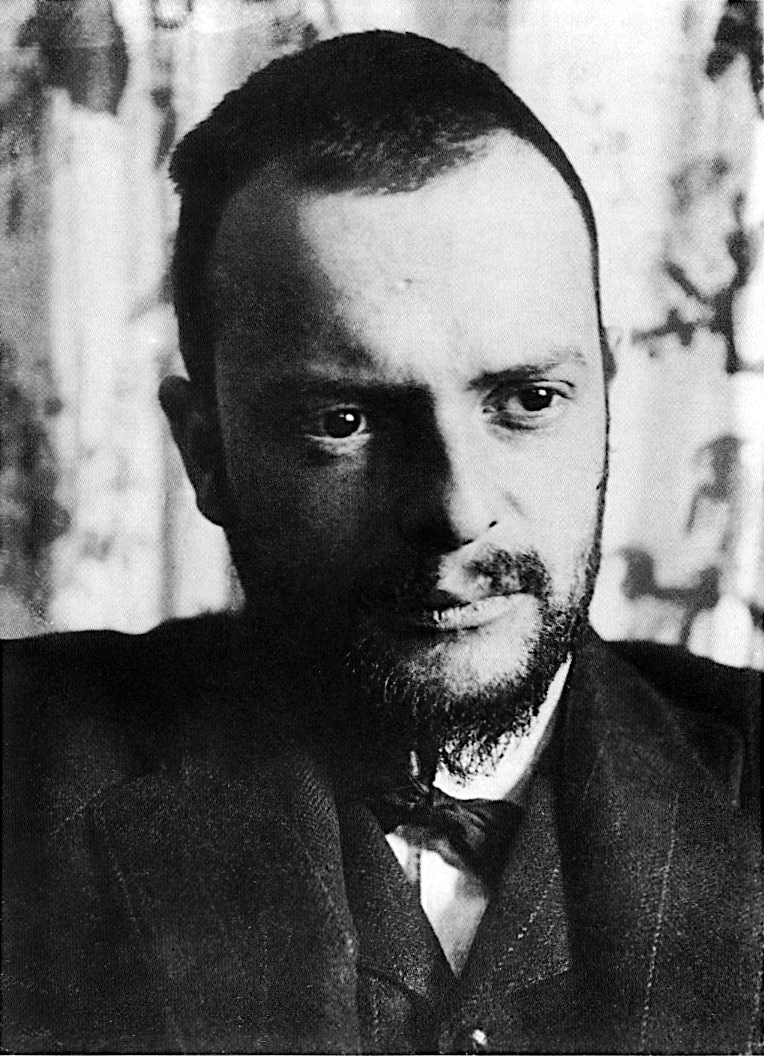
Paul Klee

Foto: Alexander Eliasberg · Public domain · Wikimedia Commons

Which artist is shown here?

Show answer

Paul Klee

Paul Klee (1879 to 1940) was a German-Swiss painter and Bauhaus teacher whose poetic, playful imagery is unmistakable.

💡 Did you know? Klee created almost 10,000 works and, in his Bauhaus lectures, left one of the most important art theories of modernism.

How PurFact works

Practise for free

More on this topic

Art: all topics →